Category: SEO Basics

How Long Does SEO Take to Show Results? A Realistic Timeline for U.S. Businesses

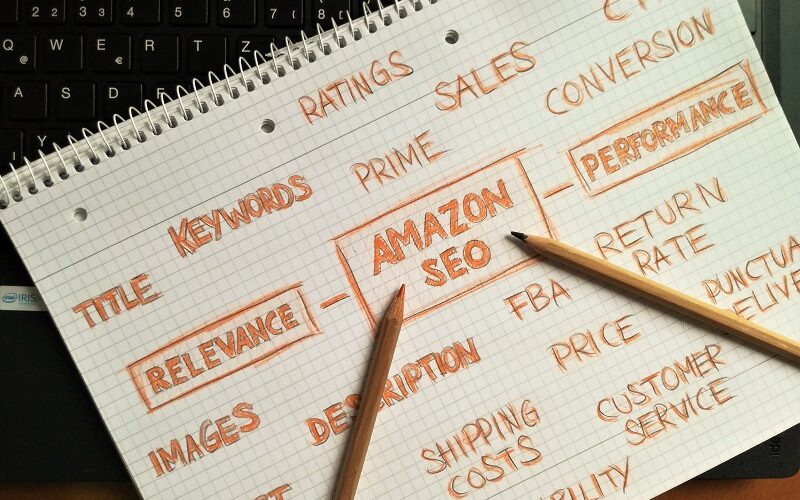
Illustration of SEO strategy planning showing keywords, rankings, and performance for an SEO timeline.

TL;DR

If you are wondering how long SEO takes to show results, the short answer is that meaningful improvements typically appear within 3 to 6 months, while stronger, long lasting growth often develops between 6 and 12 months. The exact timeline depends on factors such as your website’s age, competition, technical health, content quality, and the consistency of your SEO efforts. SEO is not an overnight strategy, but when done correctly, it becomes one of the most reliable ways to grow traffic, leads, and revenue over time.

Why Understanding the SEO Timeline Matters

One of the most common questions business owners and marketers ask is, “How long does SEO take to show results?” It is an understandable concern. When you invest time and money into search engine optimization, you naturally want to know when you will begin seeing a return.

The reality is that SEO works, but it rarely delivers instant results. Unlike paid advertising, where traffic can begin as soon as a campaign launches, SEO requires time to build trust with search engines and earn visibility. For most businesses in the United States, meaningful progress starts within three to six months, while significant growth often occurs between six and twelve months, especially in highly competitive markets.

Understanding this timeline helps you set realistic expectations, avoid unnecessary frustration, and make smarter long term marketing decisions. In this guide, we will walk through what happens during each stage of an SEO campaign, explain why patience is essential, and show you how to measure progress along the way.

Why SEO Takes Time

SEO is fundamentally about earning trust rather than buying attention. Search engines such as Google want to provide users with the most relevant, reliable, and useful information available. Before your website earns prominent rankings, it must demonstrate that it consistently delivers value.

Several factors contribute to the gradual nature of SEO:

  • Search engines need time to crawl, index, and evaluate new or updated content.
  • Your website competes against businesses that may have built authority over many years.
  • Earning quality backlinks and establishing domain authority happens gradually.
  • Technical improvements and user experience enhancements require time before their impact is reflected in rankings.
  • User engagement signals continue to develop as more visitors interact with your content.

Once you understand that SEO is built on trust and credibility, the timeline becomes much easier to understand. Every improvement contributes to stronger long term performance.

Typical SEO Timeline for U.S. Businesses

Although every website is unique, most businesses can use these benchmarks as realistic expectations:

  • Local and niche businesses: Often begin seeing measurable results within 3 to 6 months.
  • Competitive industries and national brands: Commonly require 6 to 12 months before experiencing substantial growth.
  • New websites: Usually need additional time compared to established domains with an existing reputation.
  • Highly competitive metropolitan markets: Cities such as New York or Los Angeles often require greater patience because of increased competition.

Remember that these are general guidelines rather than guarantees. Your timeline depends on your starting point, your competition, and how consistently you invest in quality SEO.

What to Expect Month by Month

Understanding each phase of an SEO campaign helps you recognize progress even before dramatic ranking improvements occur.

First 30 Days: Building a Strong Foundation

The first month focuses almost entirely on preparation. While visible ranking improvements may be limited, this stage lays the groundwork for everything that follows.

Typical activities include:

  • Performing a comprehensive SEO audit.
  • Identifying and fixing technical issues such as broken links, slow loading pages, and mobile usability problems.
  • Conducting keyword research for local, national, and long tail search terms.
  • Planning and creating content for high priority pages.
  • Setting up tracking tools such as Google Analytics and Google Search Console.

Think of this phase as constructing the foundation of a house. Even though you cannot see the finished structure yet, everything built afterward depends on getting this step right.

Months 2 to 3: Early Momentum Begins

By the second and third months, your website is healthier, your content strategy is taking shape, and search engines are beginning to recognize your improvements.

During this stage, you may notice:

  • More pages appearing in Google’s index.
  • Better rankings for long tail keywords.
  • Small but steady increases in organic traffic.
  • Improved user engagement on optimized pages.

These gains may seem modest, but they represent an important transition. Your website is moving from being largely invisible to becoming discoverable. If your competitors have invested in SEO for years, remember that you are building momentum rather than starting on equal footing.

Months 4 to 6: Measurable Growth

For many U.S. businesses, months four through six mark the point where SEO efforts become noticeably rewarding.

At this stage, you can often expect:

  • More target keywords ranking within Google’s first three pages.
  • Improved visibility in local search results.
  • Consistent growth in organic traffic.
  • More leads, inquiries, or sales generated through search.
  • Clear insights into which topics resonate most with your audience.

Momentum begins to build because every new piece of quality content and every relevant backlink strengthens your website’s overall authority.

Months 7 to 12: Long Term Growth Accelerates

After six months, many websites begin benefiting from the compounding nature of SEO.

During this period, you may experience:

  • Higher rankings for valuable and competitive keywords.
  • Increased visibility across a broader range of search queries.
  • Organic search becoming a dependable source of leads and revenue.
  • A stronger return on investment compared with many paid marketing channels.

By this point, SEO is no longer simply an experiment. It becomes an essential part of your business growth strategy.

What Can Speed Up or Slow Down SEO Results?

Not every website progresses at the same pace. Several important factors influence how quickly your SEO campaign delivers results.

Website Age and History

Older websites with clean histories and existing authority generally gain traction faster than brand new domains.

Competition

Ranking in highly competitive industries or large metropolitan areas requires more time than targeting smaller cities or specialized niches.

Content Quality

Publishing original, helpful, and well researched content consistently helps search engines recognize your expertise more quickly.

Backlinks and Authority

High quality backlinks from trustworthy websites within your industry continue to be one of the strongest indicators of authority.

Technical Performance

Fast loading speeds, mobile friendly design, secure connections, and excellent usability all contribute to stronger SEO performance.

Consistency

Perhaps the most important factor is consistency. Ongoing optimization produces compounding gains, while inconsistent efforts often lead to slower progress.

Although you cannot control every ranking factor, you can consistently improve your content, technical performance, and overall strategy.

How to Measure SEO Progress

Because SEO develops gradually, success should be measured using multiple performance indicators instead of focusing solely on first page rankings.

Monitor these key metrics:

  • Organic traffic growth over several months.
  • Keyword ranking improvements, especially for local and long tail searches.
  • Click through rates from search results.
  • Conversions such as phone calls, contact forms, purchases, or booked appointments.
  • Indexed pages and crawl issues using Google Search Console.

When these metrics consistently trend upward, your SEO campaign is moving in the right direction, even if your most competitive keywords have not yet reached the top positions.

Two Real World Examples

To better illustrate how SEO timelines vary, consider these two examples.

Local Service Business

Imagine a plumbing company operating in a mid sized U.S. city. After launching a comprehensive SEO campaign with optimized service pages, local landing pages, and educational blog content, they begin seeing more calls and contact form submissions within three to four months. By month six, they rank well for several valuable local search terms and rely less on paid advertising.

National Ecommerce Store

Now consider an online retailer selling home fitness equipment nationwide. The market is significantly more competitive, with established brands dominating search results. Even with an excellent SEO strategy, meaningful rankings for competitive keywords may require six to twelve months. Over time, however, the expanding content library and growing authority allow the business to capture valuable long tail searches and steadily increase organic sales.

Both businesses achieve success through SEO, but their timelines differ because their markets and competition differ.

When Should You Be Concerned?

Patience is one of the hardest parts of SEO, but it is also one of the most important.

If your website shows absolutely no improvements after six months, it may indicate deeper issues such as technical problems, weak content, poor keyword targeting, or inconsistent optimization.

However, if rankings, traffic, engagement, and conversions are gradually improving, even at a modest pace, your campaign is likely moving in the right direction.

Ask yourself these questions:

  • Are we consistently publishing valuable, high quality content?
  • Are we earning relevant and trustworthy backlinks?
  • Is our website fast, secure, and easy to navigate?
  • Are our key SEO metrics improving over time?

If you can answer yes to these questions, staying consistent is usually the smartest course of action.

The Long Term Value of SEO

One of SEO’s greatest advantages is its lasting impact. Unlike paid advertising, which stops producing traffic the moment you stop spending, strong organic rankings can continue attracting visitors, leads, and customers for years.

By committing to a realistic SEO strategy, you can:

  • Set achievable expectations across your organization.
  • Avoid chasing ineffective shortcuts and quick fixes.
  • Build sustainable visibility in search results.
  • Generate long term traffic that continues delivering value.

Final Thoughts

So, how long does SEO take to show results?

For most U.S. businesses, meaningful progress typically appears within three to six months, while stronger, compounding growth usually develops between six and twelve months. Your exact timeline depends on your industry, competition, website history, content quality, and the consistency of your SEO efforts.

The key is to stay committed to a well planned strategy, focus on creating genuine value for your audience, and measure progress using the right metrics. With patience and consistent execution, SEO can become one of the most dependable and cost effective growth engines in your entire marketing strategy.

This post is generated by Chatgpt.

The 3 Main Types of SEO You Need to Know for Better Rankings

Marketing team discussing SEO strategy with analytics charts, laptops, and planning documents during a collaborative meeting.

Want more organic traffic without pouring money into ads every month? Then SEO needs to be part of your strategy.

But here’s the thing most beginners get wrong: SEO is not just one tactic. It’s a combination of three essential areas that work together to improve your rankings, increase visibility, and bring more people to your website.

If one area is missing, your results can suffer.

The good news? Once you understand how these three types of SEO work, you can start making smarter decisions that lead to better traffic and stronger online growth.

TL;DR

Here’s the quick breakdown:

  • On-page SEO helps optimize the content and structure of your website
  • Off-page SEO builds trust and authority through backlinks, reviews, and mentions
  • Technical SEO makes sure search engines can crawl and understand your site properly

When these three work together, your website has a much better chance of ranking higher on Google and attracting consistent organic traffic.

Now let’s break each one down in a simple, practical way.


On-Page SEO: Optimize the Parts You Control

On-page SEO includes everything you can improve directly on your own website. Since you have full control over these elements, this is usually the best place to start.

Think of on-page SEO as the foundation of your content strategy. It helps search engines understand what your pages are about while also making your content more useful for readers.

What On-Page SEO Includes

Keyword Research

Keyword research helps you discover what people are actually typing into Google.

Instead of guessing what your audience wants, you can target search terms with real demand. Tools like Google Keyword Planner, Ahrefs, and Semrush can help you find valuable keywords in the U.S. market.

For example, someone searching for “best accountant in Dallas” has a very different intent than someone searching for “how to file taxes.”

Understanding those differences matters.

Title Tags

Your title tag is one of the first things users see in search results.

A strong title should:

  • Include your main keyword
  • Be clear and specific
  • Encourage people to click

Titles that are confusing or too generic often get ignored, even if they rank well.

Meta Descriptions

Meta descriptions are short summaries that appear under your title in Google search results.

While they do not directly affect rankings, they can increase click-through rates by making your page more appealing.

A good meta description creates curiosity while clearly explaining the value of the page.

Headings (H1, H2, H3)

Headings make your content easier to scan and easier to understand.

Most readers do not consume every word on a page. They skim first. Clear headings help keep readers engaged and improve the overall user experience.

Search engines also use headings to understand your content structure.

Content Quality

This is where many websites either succeed or fail.

Google rewards content that is:

  • Helpful
  • Original
  • Easy to understand
  • Focused on solving real problems

Thin or outdated content rarely performs well anymore. Your goal should be to create pages that genuinely help people.

Internal Linking

Internal links connect pages across your website.

These links help:

  • Guide readers to related content
  • Keep visitors on your site longer
  • Help Google discover important pages

A strong internal linking strategy can improve rankings across your entire site.

Image Optimization

Images improve user experience, but they also need optimization.

Use:

  • Descriptive file names
  • Alt text
  • Compressed image sizes

This helps with accessibility, page speed, and image search visibility.

Why On-Page SEO Matters

On-page SEO helps Google understand exactly what your content is about.

When your pages are properly optimized, search engines can match your content to the right audience. That means more visibility, more clicks, and better chances of converting visitors into customers.

It also improves the experience for real users, which is becoming increasingly important for rankings.

Quick On-Page SEO Wins for U.S. Businesses

Want some easy improvements you can make today?

Start here:

  • Target local keywords like “best dentist in Miami” or “roof repair in Phoenix”
  • Keep paragraphs short and easy to read
  • Add bullet points and subheadings to improve scanning
  • Write for humans first and optimize for search engines second
  • Update old blog posts with fresh information

Small changes can create noticeable improvements over time.


Off-Page SEO: Build Authority and Trust

If on-page SEO is about optimizing your website, off-page SEO is about building your reputation across the internet.

Google wants to recommend websites people trust. Off-page SEO helps prove that your business is credible, relevant, and worth ranking.

What Off-Page SEO Includes

Backlinks

Backlinks are links from other websites pointing to your site.

These are one of the strongest ranking factors in SEO.

When respected websites link to your content, Google sees it as a signal that your site provides value.

Not all backlinks are equal, though.

A single link from a trusted industry website can be far more powerful than dozens of low-quality links.

Guest Posting

Guest posting involves writing content for another website in your industry.

This helps you:

  • Reach new audiences
  • Build authority
  • Earn quality backlinks

It’s also a great way to grow brand awareness in competitive U.S. markets.

Social Signals

While social media shares are not direct ranking factors, they can increase visibility and traffic.

Content that performs well on platforms like Facebook, LinkedIn, Instagram, and X often gets more exposure, more clicks, and more opportunities for backlinks.

Online Reviews

Reviews matter more than many businesses realize.

Positive reviews on:

  • Google Business Profile
  • Yelp
  • Industry directories

can improve both trust and local SEO visibility.

People trust businesses with strong reviews, and search engines do too.

Brand Mentions

Even when people mention your brand without linking to your website, it still helps build authority.

Google pays attention to how often your business is discussed online.

The more your brand appears in relevant conversations, the stronger your online presence becomes.

Why Off-Page SEO Matters

Google sees backlinks and online mentions as signals of trust.

If other people and websites are recommending your content, your site appears more credible and authoritative.

This becomes especially important in competitive industries where many businesses are targeting the same keywords.

Strong off-page SEO can often be the difference between ranking on page one or getting buried in search results.

Quick Off-Page SEO Wins for U.S. Businesses

Here are a few practical ways to improve off-page SEO quickly:

  • Reach out to local blogs and news websites for features or partnerships
  • Ask satisfied customers to leave Google reviews
  • Share valuable content consistently on social media
  • Join industry communities and discussions online
  • Collaborate with local influencers or niche creators

Building authority takes time, but consistency pays off.


Technical SEO: Make Your Website Easy for Google to Understand

Technical SEO works behind the scenes to ensure your website performs properly.

You can have incredible content and strong backlinks, but if your website is slow, broken, or difficult to crawl, rankings can suffer.

Technical SEO helps remove those barriers.

What Technical SEO Includes

Site Speed

Nobody likes a slow website.

Users leave fast when pages take too long to load, and Google knows this.

Improving site speed can lead to:

  • Better rankings
  • Lower bounce rates
  • Higher engagement
  • Better conversions

Even a one-second improvement can make a difference.

Mobile-Friendliness

Most searches now happen on mobile devices.

If your website looks broken or difficult to use on phones, users will leave quickly.

Responsive design is no longer optional. It’s essential.

HTTPS Security

Secure websites use HTTPS instead of HTTP.

Google prefers secure websites because they protect user data and create a safer browsing experience.

If your site still lacks HTTPS, fixing that should be a top priority.

XML Sitemaps

A sitemap helps search engines discover your pages more efficiently.

Think of it as a roadmap that guides Google through your website.

Robots.txt

This file tells search engines which pages they should or should not crawl.

Proper configuration helps search engines focus on the pages that matter most.

Structured Data

Structured data, also called schema markup, gives search engines additional context about your content.

This can help you earn enhanced search results like:

  • Star ratings
  • FAQs
  • Product information
  • Event details

These rich results can improve visibility and click-through rates.

Fixing Broken Links

Broken pages create a poor experience for both users and search engines.

Regularly checking for:

  • 404 errors
  • Broken internal links
  • Redirect issues

helps keep your website healthy and easy to navigate.

Why Technical SEO Matters

Technical SEO ensures search engines can crawl, index, and understand your website efficiently.

Without a strong technical foundation, your other SEO efforts become less effective.

In highly competitive U.S. markets, technical SEO often becomes the advantage that separates fast-growing websites from struggling ones.

Quick Technical SEO Wins for U.S. Businesses

Start with these simple improvements:

  • Run your site through Google PageSpeed Insights
  • Compress large images to improve loading speed
  • Test your website on multiple mobile devices
  • Enable HTTPS security
  • Update plugins, themes, and CMS software regularly
  • Fix broken links and redirect errors

These updates can improve both rankings and user experience.


How the 3 Types of SEO Work Together

The biggest mistake people make is focusing on only one type of SEO.

SEO works best when all three areas support each other.

Here’s how they connect:

  • On-page SEO helps make your content relevant and useful
  • Off-page SEO builds authority and trust
  • Technical SEO ensures search engines can access and understand everything properly

Imagine creating amazing content but having a slow website. Or building backlinks to pages that are poorly optimized.

Weakness in one area can hold back the others.

Strong SEO comes from balance.


Quick SEO Checklist to Get Started Today

If you want a simple action plan, use this checklist.

On-Page SEO Checklist

  • Research 5 to 10 keywords for your target audience
  • Optimize title tags and meta descriptions
  • Add clear headings and internal links
  • Improve image alt text
  • Refresh outdated content

Off-Page SEO Checklist

  • Reach out for guest posting opportunities
  • Ask customers for reviews
  • Share content on social media
  • Build relationships with industry websites
  • Monitor brand mentions online

Technical SEO Checklist

  • Test and improve site speed
  • Check mobile responsiveness
  • Enable HTTPS security
  • Submit your XML sitemap
  • Fix crawl errors and broken links

Taking action on even a few of these steps can move your SEO in the right direction.


Start Building Better Rankings Today

You now understand the three main types of SEO that drive better rankings: on-page SEO, off-page SEO, and technical SEO.

Each one plays a critical role in helping your website grow in visibility, traffic, and authority.

The best part? You do not need to master everything overnight.

Start with one improvement from each category this week. Then build momentum little by little.

SEO is a long-term strategy, but the payoff can be massive. More traffic, more leads, more customers, and stronger brand visibility are all possible when your SEO foundation is strong.

The sooner you start, the sooner your website can begin climbing the rankings.

Now’s the perfect time to get started.

This post is generated by Chatgpt.

What is an Example of On-Page SEO?

Photo by fauxels

On-page SEO refers to the practice of optimizing your website’s pages and content to improve its visibility and ranking on search engine results pages (SERPs). On-page SEO includes a wide range of techniques and practices, from keyword research and optimization to content creation and technical optimization. In this article, we’ll take a closer look at an example of on-page SEO and how it can be used to improve your website’s ranking and visibility.

One of the most important aspects of on-page SEO is keyword research and optimization. Keywords are the words and phrases that people use to search for information online, and they play a crucial role in determining your website’s visibility and ranking on search engine results pages. By identifying the right keywords and optimizing your content to include them, you can improve your website’s relevance and authority for those keywords, and increase your chances of ranking higher in search results.

Here’s an example of how on-page SEO can be used to optimize a webpage for a specific keyword:

1. Keyword Research

The first step in optimizing a webpage for a specific keyword is to conduct keyword research. Keyword research involves identifying the words and phrases that people are using to search for information related to your business or industry. There are a number of tools that can help you conduct keyword research, including Google’s Keyword Planner, Ahrefs, and SEMrush.

For the purpose of this example, let’s say that we’re optimizing a webpage for the keyword “dog grooming tips.”

2. Page Title Optimization

The page title is one of the most important on-page SEO factors. The page title appears at the top of the browser window and is often used as the title of the search engine listing. When optimizing your page title, it’s important to include your target keyword as close to the beginning of the title as possible.

In this example, a good page title for our webpage might be “10 Dog Grooming Tips: How to Keep Your Dog Looking Great.” This page title includes our target keyword (“dog grooming tips”) at the beginning of the title, and also includes a compelling benefit (“How to Keep Your Dog Looking Great”) to entice searchers to click through to our webpage.

3. Meta Description Optimization

The meta description is the short snippet of text that appears below the page title in the search engine listing. While the meta description doesn’t directly impact your website’s ranking, it can have a significant impact on click-through rates.

When optimizing your meta description, it’s important to include your target keyword and a compelling benefit or call-to-action. In this example, a good meta description for our webpage might be “Learn how to keep your dog looking great with these 10 dog grooming tips. From brushing to bathing, our expert advice will have your furry friend looking and feeling their best.”

4. Header Tag Optimization

Header tags (H1, H2, H3, etc.) are HTML tags used to indicate the hierarchy of content on a webpage. The H1 tag is typically used for the main page heading, while H2 and H3 tags are used for subheadings.

When optimizing your header tags, it’s important to use them to indicate the structure of your content and to include your target keyword in at least one of your header tags. In this example, we might use an H1 tag for the main page heading (“10 Dog Grooming Tips”), and H2 tags for each of the individual tips (“Tip #1: Brush Your Dog’s Coat,” “Tip #2: Trim Your Dog’s Nails,” etc.).

5. Keyword Optimization in Content

Finally, it’s important to optimize the content of your webpage to include your target keyword. This includes using the keyword in the body of the content, as well as in image alt tags, URLs, and internal links.

When optimizing your content for your target keyword, it’s important to use the keyword naturally and avoid “keyword stuffing,” which can result in a penalty from search engines. Instead, focus on creating high-quality, engaging content that naturally incorporates your target keyword.

In our example, we might include our target keyword “dog grooming tips” naturally throughout the content of our webpage, including in the introduction, the individual tips, and the conclusion. We might also use the keyword in image alt tags, such as “Dog Grooming Tips Infographic,” and in internal links to related content on our website.

On-page SEO is a crucial component of any SEO strategy, and optimizing your webpages for specific keywords is a key part of that strategy. By conducting keyword research and optimizing your page titles, meta descriptions, header tags, and content to include your target keyword, you can improve your website’s relevance and authority for that keyword, and increase your chances of ranking higher in search engine results pages.

While the example above focuses on optimizing a webpage for a specific keyword, it’s important to remember that on-page SEO is about more than just keywords. Other important on-page SEO factors include website structure and navigation, mobile responsiveness, and technical optimization. By combining these various components of on-page SEO, you can create a comprehensive strategy that helps you achieve your SEO goals and improve your website’s visibility and ranking.

What is the most Important Component of SEO?

Photo by Canva Studio

SEO, or search engine optimization, is the practice of optimizing your website to increase its visibility and ranking on search engine results pages. SEO involves a combination of on-page and off-page techniques, such as keyword research, content creation, link building, and technical optimization. But when it comes to determining the most important component of SEO, there is no one-size-fits-all answer. Rather, the most important component of SEO will depend on a variety of factors, including your industry, competition, target audience, and business goals.

That being said, there are a few key components of SEO that are generally considered to be crucial for any successful SEO strategy. Let’s take a closer look at these components and how they contribute to improving your website’s SEO.

1. Content

Content is often considered the cornerstone of any successful SEO strategy. This is because search engines like Google place a high value on high-quality, relevant, and engaging content. In order to improve your SEO, you need to create content that is optimized for your target keywords and provides value to your target audience. This can include blog posts, articles, videos, infographics, and more.

When creating content, it’s important to keep in mind that quality is more important than quantity. Rather than churning out large volumes of low-quality content, focus on creating fewer pieces of high-quality content that provide real value to your audience. Make sure your content is well-structured, easy to read, and optimized for your target keywords.

2. Backlinks

Backlinks are another crucial component of SEO. Backlinks are links from other websites that point to your website. Search engines like Google view backlinks as a signal of your website’s authority and credibility. The more high-quality backlinks you have pointing to your website, the more likely you are to rank higher in search engine results pages.

However, it’s important to keep in mind that not all backlinks are created equal. Google places a higher value on backlinks from authoritative websites in your industry or niche. In order to build high-quality backlinks, you can reach out to other website owners and ask them to link to your content, or create high-quality content that naturally attracts backlinks.

3. On-page optimization

On-page optimization refers to the process of optimizing your website’s structure and content to make it more attractive to search engines. This can include optimizing your website’s URL structure, using header tags correctly, including meta descriptions and title tags, and more.

On-page optimization is important because it helps search engines understand what your website is about and what content is most important. This, in turn, can help improve your website’s ranking on search engine results pages.

4. Technical optimization

Technical optimization refers to the process of optimizing your website’s technical elements to make it easier for search engines to crawl and index your content. This can include optimizing your website’s code, improving your website’s load times, ensuring your website is mobile-friendly, and more.

Technical optimization is important because it helps search engines understand how your website is structured and how your content is organized. This, in turn, can help improve your website’s ranking on search engine results pages.

5. User experience

Finally, user experience is becoming an increasingly important component of SEO. This refers to how users interact with your website and how easy it is for them to find what they are looking for. Search engines like Google place a high value on user experience, and websites that provide a good user experience are more likely to rank higher in search engine results pages.

To improve user experience on your website, you can focus on factors like website speed, navigation, and mobile optimization. Make sure your website loads quickly, is easy to navigate, and provides a seamless experience across all devices.

There is no one most important component of SEO. Each of the components mentioned above plays an important role in improving your website’s SEO, and neglecting any one of them can have a negative impact on your overall SEO strategy. That being said, the relative importance of each component may vary depending on your specific goals and industry.

What Does Improve SEO Mean?

Photo by cottonbro studio

SEO, or search engine optimization, is the process of optimizing a website or online content to increase its visibility and ranking on search engine results pages. The goal of SEO is to improve the quantity and quality of traffic to a website from organic search results. But what exactly does it mean to improve SEO, and how can it be done effectively?

Improving SEO involves a combination of on-page and off-page optimization techniques, including keyword research, content creation, link building, and technical SEO. By optimizing these elements, website owners can increase their website’s visibility, attract more traffic, and ultimately increase their revenue.

Keyword research is the first step in improving SEO. This involves researching the keywords and phrases that people use to search for products or services related to your business. Once you have identified these keywords, you can optimize your website’s content to include them strategically. However, it’s important to avoid keyword stuffing, which can hurt your SEO efforts. Instead, focus on creating high-quality content that incorporates your target keywords in a natural way.

Content creation is another important aspect of SEO. Creating high-quality, relevant, and engaging content can help attract more traffic to your website and improve your search engine rankings. When creating content, focus on your audience’s needs and interests, and make sure your content is well-structured and easy to read.

Link building is another key component of SEO. This involves getting other websites to link back to your website, which can help increase your website’s authority and credibility in the eyes of search engines. However, it’s important to focus on quality over quantity when it comes to link building. Aim to get links from high-quality, relevant websites, and avoid using spammy or unethical tactics that could hurt your SEO efforts.

Technical SEO is also an important aspect of improving SEO. This involves optimizing your website’s structure and code to make it easier for search engines to crawl and index your content. Some key technical SEO elements to focus on include optimizing your website’s URL structure, using header tags correctly, and ensuring your website is mobile-friendly and loads quickly.

In addition to these on-page and off-page optimization techniques, there are also several other factors that can impact your SEO efforts. For example, user experience (UX) is becoming increasingly important in SEO, as search engines aim to provide users with the best possible experience. This means focusing on factors like website speed, navigation, and mobile optimization to ensure your website is easy to use and navigate.

Another important factor to consider when improving SEO is local SEO. If you have a brick-and-mortar business, optimizing your website for local search can help attract more customers to your store. This involves optimizing your website’s content and structure to include local keywords and information, as well as building local citations and getting listed on local directories.

Finally, it’s important to keep in mind that SEO is an ongoing process, rather than a one-time fix. As search engines evolve and user behavior changes, it’s important to continually monitor and adjust your SEO efforts to stay ahead of the curve. This involves regularly reviewing your website’s performance, tracking your rankings and traffic, and making adjustments as needed to improve your results.

In conclusion, improving SEO is essential for any business looking to increase its online visibility and attract more traffic to its website. By focusing on key on-page and off-page optimization techniques, as well as factors like user experience and local SEO, website owners can improve their search engine rankings and ultimately drive more revenue for their business. However, it’s important to approach SEO as an ongoing process, rather than a one-time fix, and continually monitor and adjust your efforts to stay ahead of the curve.

What are the 11 Steps to Improve SEO Rankings?

Photo by Negative Space

Search engine optimization (SEO) is the process of improving the visibility and ranking of a website on search engine results pages (SERPs). Higher rankings can lead to increased traffic, engagement, and ultimately, conversions. However, SEO is a complex and ever-evolving field, and it can be challenging to know where to start. In this article, we will outline 11 steps to improve SEO rankings.

1. Conduct Keyword Research

Keyword research is the foundation of any successful SEO campaign. By identifying the keywords and phrases that people use to search for products or services like yours, you can optimize your website content to better match those search terms. There are several keyword research tools available, such as Google Keyword Planner, SEMrush, and Ahrefs.

2. Optimize On-Page Content

On-page optimization involves optimizing the content on your website to make it more search engine-friendly. This includes using target keywords in the title tag, meta description, headings, and throughout the content. It also involves optimizing images, ensuring fast page load times, and using internal linking to improve website navigation.

3. Improve Website User Experience

User experience (UX) is a crucial factor in SEO rankings. Google rewards websites that provide a positive user experience, such as fast page load times, easy navigation, and mobile responsiveness. Improving your website’s UX can lead to lower bounce rates, longer session durations, and more engagement.

4. Build High-Quality Backlinks

Backlinks are links from other websites that point to your website. They are a crucial ranking factor, as they signal to search engines that other websites trust and value your content. Building high-quality backlinks involves creating high-quality content that others are likely to link to, as well as outreach and guest posting on relevant websites.

5. Optimize for Local Search

If your business operates in a specific geographic area, it’s essential to optimize for local search. This involves creating a Google My Business profile, optimizing your website for local keywords, and building local citations (mentions of your business name, address, and phone number) on relevant websites.

6. Use Social Media

Social media can be a powerful tool for improving SEO rankings. By sharing content on social media, you can attract links, increase brand awareness, and engage with your audience. Social media profiles can also rank in search results, so it’s essential to optimize your profiles for keywords and keep them up to date.

7. Use Structured Data Markup

Structured data markup is code that helps search engines understand the content of your website. By using structured data, you can improve the visibility of your website in search results and increase click-through rates. Common types of structured data markup include schema.org and Open Graph.

8. Monitor and Improve Website Speed

Website speed is a crucial ranking factor, as slow-loading websites can negatively impact user experience. There are several tools available to monitor and improve website speed, such as Google PageSpeed Insights and GTmetrix. Common strategies for improving website speed include compressing images, minimizing HTTP requests, and using a content delivery network (CDN).

9. Create High-Quality Content

Creating high-quality content is essential for improving SEO rankings. By creating content that is informative, engaging, and valuable to your target audience, you can attract links, increase social shares, and improve user engagement. Content should be optimized for target keywords, but should also be written for humans, not just search engines.

10. Monitor and Analyze Website Metrics

Monitoring and analyzing website metrics is crucial for understanding the effectiveness of your SEO efforts. Key metrics to track include organic traffic, bounce rate, time on site, and conversion rate. By monitoring these metrics, you can identify areas for improvement and adjust your SEO strategy accordingly.

11. Continuously Improve Your Content and Strategy

SEO is not a one-time task; it requires ongoing effort and optimization. As you continue to monitor your website’s performance and analyze your data, you should look for opportunities to improve your content and your strategy.

This might involve updating your existing content to make it more relevant or comprehensive, or creating new content to target new keywords or topics. You may also need to adjust your targeting or your backlink strategy as you learn more about what’s working and what’s not.

By continuously improving your SEO strategy, you can stay ahead of your competition and ensure that your website is reaching its full potential.

Improving your SEO rankings requires a comprehensive and ongoing strategy. By following these 11 steps, you can optimize your website for search engines, increase your visibility and traffic, and ultimately grow your business. Remember, SEO is a long-term game, so be patient and stay committed to your strategy, and you’ll see results over time.