Author: Yvonne Freeman

Measuring SEO Success: Key Metrics and Tools for Tracking Your Progress

Photo by Pixabay

In the world of Search Engine Optimization (SEO), measuring success is essential to gauge the effectiveness of your efforts and make data-driven decisions. By tracking key metrics and utilizing the right tools, you can gain valuable insights into your SEO performance. This article explores the key metrics and tools that enable you to measure SEO success and track your progress.

Understanding Key Metrics

To measure SEO success accurately, it is crucial to monitor the following key metrics:

1. Organic Traffic: Organic traffic refers to the number of visitors who find your website through search engine results. It indicates the visibility and reach of your website in search engine rankings.

2. Keyword Rankings: Tracking keyword rankings helps determine how well your website is performing for targeted search terms. Monitor the positions of your key keywords in search engine results pages (SERPs).

3. Click-Through Rate (CTR): CTR measures the percentage of users who click on your website’s link when it appears in search results. A higher CTR indicates that your title and meta description are compelling and relevant.

4. Bounce Rate: Bounce rate reflects the percentage of visitors who leave your website after viewing only one page. A lower bounce rate signifies engaging content and a positive user experience.

5. Conversion Rate: Conversion rate measures the percentage of website visitors who complete a desired action, such as making a purchase, filling out a form, or subscribing to a newsletter. It indicates the effectiveness of your SEO efforts in driving valuable actions.

Tools for Tracking SEO Progress

Several tools can assist you in tracking and measuring SEO success. Here are some widely-used options:

1. Google Analytics: Google Analytics is a robust web analytics tool that provides comprehensive insights into your website’s performance. It offers data on organic traffic, bounce rate, conversion rate, and user behavior, allowing you to assess the impact of your SEO efforts.

2. Google Search Console: Google Search Console offers valuable information about your website’s visibility in Google search results. It provides data on keyword rankings, click-through rates, indexing issues, and crawl errors.

3. Ahrefs: Ahrefs is a popular SEO tool that offers a wide range of features for tracking SEO progress. It provides data on organic traffic, backlinks, keyword rankings, and competitor analysis.

4. Moz: Moz offers various SEO tools, including Moz Pro and MozBar. These tools provide insights into keyword rankings, site audits, link analysis, and on-page optimization.

5. SEMrush: SEMrush is a comprehensive SEO suite that offers features like keyword research, competitive analysis, backlink analysis, and rank tracking.

6. SERPWatcher: SERPWatcher is a keyword rank tracking tool that allows you to monitor your website’s performance in search engine results pages. It provides data on keyword rankings, search volumes, and trends.

Interpreting and Acting on Data

Once you have gathered and analyzed the relevant data, it is crucial to interpret the results and take appropriate actions. Identify trends, patterns, and areas for improvement based on the metrics and data insights. For example, if your organic traffic has increased, but the conversion rate remains low, you may need to optimize your website’s user experience or enhance your call-to-action elements.

Regularly monitor your metrics over time and compare them to your goals and benchmarks. This allows you to measure the impact of your SEO strategies and make adjustments as needed to improve your website’s performance.

Measuring SEO success is a vital aspect of optimizing your website’s performance. By tracking key metrics and utilizing tools such as Google Analytics, Google Search Console, Ahrefs, Moz and SEMrush, you can gain valuable insights into your SEO efforts. Monitoring metrics such as organic traffic, keyword rankings, click-through rate, bounce rate, and conversion rate provides a comprehensive view of your SEO performance. By interpreting the data and taking informed actions, you can continually improve your website’s visibility, user experience, and conversions. Remember to regularly assess your progress, set realistic goals, and adapt your strategies to stay ahead in the ever-evolving world of SEO. With the right metrics and tools in hand, you can measure and optimize your SEO success for long-term growth and online visibility.

Generated by Chat GPT

The Importance of Mobile Optimization for SEO and How to Get It Right

Photo by Lisa Fotios

In today’s mobile-driven world, optimizing your website for mobile devices is no longer a luxury but a necessity. Mobile optimization is not only essential for providing a seamless user experience but also plays a critical role in search engine optimization (SEO). This article will delve into the importance of mobile optimization for SEO and provide you with actionable tips on how to get it right. By prioritizing mobile optimization, you can improve your website’s visibility, user engagement, and search rankings, ultimately driving more organic traffic and achieving online success.

1. The Rise of Mobile and its Impact on SEO

The proliferation of smartphones and the increasing mobile internet usage have transformed the way people access information and interact with websites. Mobile devices now account for a significant portion of internet traffic, and search engines like Google have adapted their algorithms to prioritize mobile-friendly websites. Mobile optimization is crucial for SEO because search engines prioritize mobile-friendly websites in search results, and mobile users are more likely to engage with mobile-optimized sites. By catering to the needs of mobile users, you enhance user experience, increase website accessibility, and improve your chances of ranking higher in search engine results pages (SERPs).

2. Mobile-First Indexing

Google’s mobile-first indexing is a shift in its ranking algorithm, where the search engine primarily uses the mobile version of a website’s content for indexing and ranking purposes. This means that if your website is not mobile-friendly, it may not rank as well in search results, regardless of its desktop performance. Mobile-first indexing underscores the importance of mobile optimization for SEO. By ensuring that your website is responsive, loads quickly on mobile devices, and provides a seamless user experience, you send positive signals to search engines, leading to better search visibility and improved organic rankings.

3. Responsive Web Design

One of the most effective approaches to mobile optimization is adopting a responsive web design. Responsive design ensures that your website adapts and displays properly across various screen sizes and devices. This eliminates the need for separate mobile and desktop versions of your site, streamlining maintenance and enhancing user experience. Responsive websites automatically adjust elements like layout, font sizes, and images to provide an optimal viewing experience on any device. Search engines value responsive websites because they offer a consistent and user-friendly experience, resulting in improved SEO performance and higher search rankings.

4. Mobile Page Speed

Page speed is a critical factor in both user experience and SEO. Mobile users expect fast-loading websites, and search engines prioritize sites that deliver a seamless mobile experience. To optimize your website’s mobile page speed, minimize file sizes, compress images, and leverage caching techniques. Implementing Accelerated Mobile Pages (AMP) can also significantly improve your mobile page speed. AMP is an open-source framework that allows you to create lightweight and fast-loading mobile pages. By prioritizing mobile page speed, you reduce bounce rates, increase user engagement, and send positive signals to search engines, resulting in improved search visibility and higher rankings.

5. Mobile-Friendly Content and Navigation

Creating mobile-friendly content and navigation is crucial for engaging mobile users and optimizing your website for SEO. Write concise and scannable content that is easy to read on smaller screens. Use shorter paragraphs, bullet points, and headings to break up the text. Optimize images for mobile devices and avoid using large or complex visuals that may slow down page load times. Additionally, ensure that your website’s navigation is intuitive and easily accessible on mobile devices. Mobile-friendly content and navigation improve user experience, reduce bounce rates, and contribute to better search rankings.

6. Optimize Your Website for Local Mobile Searches

Considering the increasing relevance of local search, optimizing your website for mobile local searches is crucial for businesses with physical locations. Incorporate local keywords and location-specific information in your content, meta tags, and headings to enhance your visibility in local mobile searches. Include your business address, phone number, and operating hours prominently on your mobile site. Utilize location-based schema markup to provide search engines with accurate information about your business’s location. By optimizing your website for local mobile searches, you can attract more local customers, improve your local SEO performance, and drive foot traffic to your business.

7. User-Friendly Mobile Forms and Calls-to-Action

If your website includes forms or calls-to-action (CTAs), optimizing them for mobile users is crucial. Mobile forms should be simplified, with minimal input fields and clear instructions. Utilize responsive design to ensure that forms adjust to smaller screens. Additionally, make sure that your CTAs are easily clickable and prominent on mobile devices. Streamline the conversion process by reducing the number of steps required to complete an action. Mobile-friendly forms and CTAs enhance the user experience, increase conversion rates, and positively impact your website’s SEO performance.

8. Mobile-Friendly Social Media Integration

Social media plays a significant role in driving traffic to your website. Ensure that your social media profiles and posts are mobile-friendly by optimizing images and formatting for mobile devices. Mobile users frequently access social media platforms through their smartphones, so it’s essential to deliver a seamless experience when they click through to your website. Implement social sharing buttons on your mobile site to encourage users to share your content. By integrating social media effectively and making it mobile-friendly, you can increase social engagement, attract more visitors, and improve your website’s overall SEO performance.

9. Continuous Testing and Optimization

Mobile optimization is an ongoing process that requires continuous testing and optimization. Regularly test your website’s mobile performance using tools like Google’s Mobile-Friendly Test and PageSpeed Insights. Identify any issues, such as slow loading times or mobile usability errors, and take steps to address them promptly. Analyze user behavior data, such as bounce rates and conversion rates, to identify areas for improvement. Experiment with different layouts, content formats, and design elements to optimize your mobile user experience further. By continually testing and optimizing your website for mobile, you can stay ahead of the competition and provide an exceptional user experience.

Mobile optimization is no longer an option but a necessity for effective SEO. With the majority of internet users accessing the web via mobile devices, optimizing your website for mobile is crucial for better search visibility, user engagement, and overall online success. By adopting responsive web design, optimizing page speed, creating mobile-friendly content and navigation, and focusing on local mobile searches, you can ensure that your website delivers an outstanding mobile experience. Invest in mobile optimization strategies, continuously monitor and refine your approach, and reap the rewards of improved SEO performance and increased organic traffic.

Generated by Chat GPT

Why Local SEO Matters and How to Optimize Your Business for Local Search

Photo by Pixabay

In today’s digital era, local search engine optimization (SEO) has become crucial for businesses looking to attract customers in their local area. Local SEO focuses on optimizing your online presence to rank higher in local search results. This article will explore why local SEO matters for businesses and provide you with actionable tips on how to optimize your business for local search. By implementing these strategies, you can increase your visibility, attract more local customers, and drive growth for your business.

1. The Importance of Local SEO

Local SEO is vital because it helps businesses connect with their target audience within their geographical vicinity. With the rise of mobile usage and voice search, people are increasingly searching for products and services near their location. Local SEO allows your business to appear in relevant local search results, increasing the chances of attracting local customers. By optimizing your business for local search, you can gain a competitive edge, establish trust within your community, and drive targeted traffic to your physical location or website.

2. Claim and Optimize Your Google My Business Listing

One of the most critical steps in local SEO is claiming and optimizing your Google My Business (GMB) listing. GMB is a free tool provided by Google that allows businesses to manage their online presence. Ensure that your listing is accurate, complete, and up to date with relevant information such as business name, address, phone number, website, and business hours. Add high-quality images, respond to reviews, and regularly post updates to engage with your audience. Optimizing your GMB listing increases your chances of appearing in local search results and on Google Maps.

3. Consistent NAP Information (Name, Address, Phone Number)

Consistency in your NAP information across all online platforms is essential for local SEO. Ensure that your business name, address, and phone number are consistent and accurate on your website, GMB listing, social media profiles, and online directories. Inconsistent NAP information can confuse search engines and potential customers, negatively impacting your local search visibility. Regularly audit and update your NAP information to maintain consistency and improve your local SEO efforts.

4. Local Keyword Research and Optimization

Conduct local keyword research to identify the search terms potential customers are using when looking for businesses like yours in your area. Incorporate these keywords strategically into your website content, meta tags, headings, and URLs. Optimize your website’s title tags and meta descriptions to include relevant local keywords. Create location-specific landing pages to target different areas you serve. By optimizing your content for local keywords, you increase your chances of appearing in local search results and attracting local customers.

5. Online Reviews and Reputation Management

Online reviews play a significant role in local SEO and building trust with potential customers. Encourage satisfied customers to leave reviews on platforms like Google, Yelp, and industry-specific directories. Respond promptly and professionally to both positive and negative reviews to show that you value customer feedback. Positive reviews can boost your local search rankings and influence potential customers’ decision-making process. Implement a reputation management strategy to monitor and address reviews regularly. By actively managing your online reputation, you can enhance your credibility, attract more customers, and improve your local SEO performance.

6. Local Citations and Online Directories

Local citations are mentions of your business name, address, and phone number (NAP) on other websites. Listing your business on relevant online directories, industry-specific websites, and local business listings can improve your local SEO. Ensure that your NAP information is consistent across these platforms and that you’re listed in reputable directories. Submit your business to popular local directories like Yellow Pages, Yelp, Bing Places, and TripAdvisor. Additionally, seek out industry-specific directories and local chamber of commerce websites to list your business. These citations not only provide valuable backlinks but also validate the legitimacy and relevance of your business to search engines.

7. Mobile-Friendly Website and Local Schema Markup

Given the increasing use of mobile devices for local searches, it’s crucial to have a mobile-friendly website. Ensure that your website is responsive and provides a seamless user experience across all devices. Optimize your website’s loading speed, design, and navigation to cater to mobile users. Additionally, implement local schema markup on your website. Schema markup is a code that helps search engines understand and display relevant information about your business in search results. Local schema markup can include details like your business address, phone number, customer reviews, and business hours, providing search engines with valuable data to enhance your local search visibility.

8. Local Content Marketing and Community Engagement

Creating locally-focused content is an effective way to optimize your business for local search. Develop blog posts, articles, or videos that highlight local events, news, and community interests. Engage with local organizations, charities, or events to establish your presence in the community. Participate in local discussions and forums, and collaborate with other local businesses for cross-promotion. By actively engaging with your community and creating local content, you increase your visibility among local audiences and demonstrate your commitment to serving the local community, ultimately boosting your local SEO efforts.

9. Monitor Local SEO Performance and Make Adjustments

Regularly monitor the performance of your local SEO efforts to identify what’s working and what needs improvement. Use tools like Google Analytics and Google Search Console to track your website’s local search rankings, organic traffic, and user behavior. Analyze the data to understand which keywords, landing pages, or online directories are driving the most traffic and conversions. Make adjustments to your strategy based on these insights. Continuously optimize and refine your local SEO tactics to stay ahead of the competition and ensure maximum impact on your local search visibility.

Local SEO plays a crucial role in helping businesses connect with their local customers and drive growth. By implementing effective local SEO strategies, such as optimizing your Google My Business listing, maintaining consistent NAP information, conducting local keyword research, managing online reviews, and engaging with the local community, you can enhance your visibility in local search results. Embrace the power of local SEO, tailor your online presence to the local audience, and watch your business thrive in your local market.

Generated by Chat GPT

The Role of Social Media in SEO: Tips and Tricks for Maximum Impact

Photo by Magnus Mueller:

In the digital age, social media has become an integral part of our daily lives. Beyond its role in connecting people, it also plays a significant role in search engine optimization (SEO). Social media platforms can have a profound impact on your website’s visibility, brand recognition, and organic traffic. In this article, we will explore the role of social media in SEO and provide you with valuable tips and tricks to maximize its impact on your online presence.

1. Increased Brand Visibility

Social media platforms offer immense opportunities to increase your brand’s visibility and reach a wider audience. By creating engaging and shareable content, you can attract more attention and generate organic exposure for your brand. When your content gets shared on social media, it increases the likelihood of it being linked to and mentioned on other websites, contributing to your backlink profile and overall SEO efforts.

2. Social Signals and Search Engine Rankings

While social media signals (likes, shares, comments, and followers) do not have a direct impact on search engine rankings, they indirectly influence SEO. Social signals are an indication of content relevance, popularity, and user engagement. When your content receives significant social engagement, search engines may interpret it as valuable and relevant, leading to improved rankings. Additionally, when your content gets shared on social media, it increases its potential visibility, attracting more visitors and potential backlink opportunities.

3. Building Quality Backlinks

Social media platforms provide an avenue for building relationships and generating high-quality backlinks. By engaging with influencers, industry leaders, and relevant communities, you can create connections that may result in backlink opportunities. When you share valuable content on social media, it increases the chances of others linking to it from their websites or blogs. Furthermore, social media platforms can help you amplify your outreach efforts, making it easier to connect with website owners and bloggers for potential collaborations and guest blogging opportunities.

4. Driving Organic Traffic

Effective use of social media can drive significant organic traffic to your website. By strategically promoting your content, sharing blog posts, and linking back to your website, you can attract interested users who are more likely to engage with your content and convert into customers. Additionally, social media platforms provide opportunities for content discovery, as users come across your posts, share them with their networks, and potentially explore your website further. The increased traffic and engagement signal search engines that your website is valuable and relevant, positively impacting your SEO.

5. Optimizing Social Media Profiles

Just like optimizing your website for search engines, optimizing your social media profiles is essential. Use relevant keywords in your social media bio, description, and posts to improve your visibility in social media searches. Include links to your website in your profiles to drive traffic and provide an additional avenue for users to discover your content. Ensure consistency in branding across your social media profiles to establish a cohesive online presence. By optimizing your social media profiles, you increase your chances of being found by both search engine users and social media users.

6. Engaging with Your Audience

Social media platforms offer a unique opportunity to engage directly with your audience. Responding to comments, answering questions, and participating in conversations humanizes your brand and fosters a sense of community. Engaged and satisfied followers are more likely to share your content, recommend your brand, and become loyal customers. This social engagement indirectly impacts your SEO efforts by generating positive signals that search engines consider when determining the relevance and authority of your website.

7. Incorporating Social Sharing Buttons

To maximize the impact of social media on your SEO, it’s crucial to make it easy for your website visitors to share your content. Incorporate social sharing buttons on your blog posts, articles, and other relevant pages to encourage users to share your content on their social media profiles. When your content gets shared, it expands its reach and increases the chances of attracting more visitors and potential backlinks. Additionally, social sharing buttons make it convenient for users to promote your content, driving more organic traffic and enhancing your website’s visibility.

8. Monitoring and Analyzing Social Media Metrics

To assess the effectiveness of your social media efforts and their impact on your SEO, it’s essential to monitor and analyze relevant metrics. Utilize social media analytics tools to track key metrics such as engagement rates, follower growth, reach, and referral traffic to your website. By understanding which social media platforms drive the most traffic and engagement, you can focus your efforts on those channels and optimize your content accordingly. Analyzing social media metrics allows you to make data-driven decisions, identify trends, and refine your social media strategy to maximize its impact on your SEO goals.

9. Encouraging User-Generated Content

User-generated content (UGC) refers to content created and shared by your audience. Encouraging UGC not only fosters a sense of community but also generates valuable social signals that can positively impact your SEO. Prompt your followers to share their experiences, reviews, and testimonials related to your brand, products, or services. Highlight user-generated content on your social media profiles and website, showcasing the authenticity and credibility of your brand. When users create and share content about your brand, it can result in more backlinks, increased brand visibility, and improved search engine rankings.

10. Stay Updated with Social Media Trends

Social media is an ever-evolving landscape, with new platforms, features, and trends emerging regularly. Stay updated with the latest social media trends to leverage them effectively for your SEO strategy. Stay abreast of algorithm changes, new content formats, and popular hashtags relevant to your industry. By staying ahead of the curve and adapting to emerging trends, you can optimize your social media content to align with current user preferences and behaviors. This proactive approach helps you maintain a competitive edge and ensures that your social media efforts continue to drive maximum impact on your website’s SEO.

Social media has a significant role to play in your overall SEO strategy. By leveraging social media platforms effectively, you can increase brand visibility, generate high-quality backlinks, drive organic traffic, and engage with your audience. Incorporating social media optimization techniques, monitoring metrics, and staying updated with trends are crucial to maximizing the impact of social media on your SEO efforts. Embrace the power of social media and integrate it into your SEO strategy to enhance your online presence, improve search engine rankings, and achieve long-term success.

Generated by Chat GPT

How to Create an Effective Link Building Strategy for Your Website

Photo by Tobias Dziuba

Link building plays a crucial role in improving search engine rankings and driving organic traffic to your website. However, developing an effective link building strategy requires careful planning and execution. In this article, we will explore the key steps to create a successful link building strategy. From conducting thorough research and analysis to implementing various tactics and measuring results, you’ll gain valuable insights on how to build high-quality backlinks that enhance your website’s authority and visibility.

1. Set Clear Goals and Objectives

Before diving into link building, it’s essential to define your goals and objectives. Determine what you want to achieve with your link building efforts. Do you aim to increase search engine rankings, drive more targeted traffic, or boost brand visibility? Having clear goals helps shape your strategy and allows you to measure success effectively.

2. Understand Your Target Audience

To create a link building strategy that resonates with your target audience, you must understand their interests, preferences, and online behavior. Conduct thorough market research and develop buyer personas to gain insights into their needs and desires. This information will guide you in identifying relevant websites and content that can attract their attention and drive quality traffic.

3. Conduct Competitor Analysis

Analyzing your competitors’ backlink profiles provides valuable insights into their link building strategies. Identify websites linking to your competitors and assess the quality and relevance of those links. This analysis will help you identify potential link opportunities and understand which tactics are working in your industry.

4. Create High-Quality and Link-Worthy Content

High-quality content serves as the foundation of any successful link building strategy. Produce informative, engaging, and valuable content that is shareable and worthy of backlinks. Whether it’s in the form of blog posts, infographics, videos, or industry reports, focus on creating content that addresses your audience’s pain points and provides unique insights or solutions.

5. Outreach and Relationship Building

Developing relationships with website owners and influencers in your niche is crucial for acquiring high-quality backlinks. Craft personalized outreach emails, highlighting the value your content brings to their audience. Engage with them on social media, participate in industry discussions, and provide support or contributions. Building genuine relationships lays the foundation for future link opportunities.

6. Guest Blogging and Content Syndication

Guest blogging on reputable websites within your industry allows you to showcase your expertise and gain valuable backlinks. Identify authoritative blogs and contribute well-crafted, original content that provides value to their readers. Additionally, consider content syndication platforms that distribute your content to relevant websites, expanding your reach and link-building opportunities.

7. Leverage Social Media

Social media platforms offer immense potential for link building. Promote your content on social channels to increase its visibility and attract shares and backlinks. Engage with industry influencers and thought leaders, sharing their content and fostering relationships. Participate in relevant discussions and communities, positioning yourself as an expert and generating opportunities for link acquisition.

8. Monitor and Measure Results

Regularly monitor your link building efforts to assess their impact and make data-driven decisions. Utilize tools like Google Analytics and backlink analysis tools to track referral traffic, keyword rankings, and the quality of acquired backlinks. Measure the success of different tactics and identify areas for improvement.

Creating an effective link building strategy requires a systematic approach and a deep understanding of your audience and industry. By setting clear goals, producing high-quality content, engaging in strategic outreach, and leveraging social media, you can build a strong backlink profile that improves your website’s authority and visibility in search engine rankings. Regularly monitor and measure your results to identify what works best for your website and make necessary adjustments. Remember that link building is an ongoing process that requires patience and consistent effort. By implementing these strategies and continuously refining your approach, you’ll be on your way to establishing a robust link building strategy that drives organic traffic and positions your website for long-term success.

Generated by Chat GPT

10 Common SEO Mistakes That Could Be Holding You Back

Photo by Andrea Piacquadio

Search Engine Optimization (SEO) is essential for improving your website’s visibility and attracting organic traffic. However, many website owners make common mistakes that hinder their SEO efforts. In this article, we will explore ten prevalent SEO mistakes that could be holding you back from achieving optimal results. By identifying and addressing these errors, you can enhance your website’s search engine rankings, increase organic traffic, and improve overall online visibility.

1. Neglecting Keyword Research

Keyword research forms the foundation of effective SEO. Failing to conduct thorough keyword research means you may target the wrong keywords or miss out on valuable opportunities. Identify relevant keywords that align with your content and audience’s search intent. Utilize keyword research tools, analyze search volume and competition, and choose keywords strategically to optimize your content and improve your rankings.

2. Over-Optimizing Your Content

While incorporating keywords into your content is crucial, over-optimization can do more harm than good. Keyword stuffing, using excessive tags, or repeating keywords unnaturally can lead to a poor user experience and trigger search engine penalties. Focus on creating high-quality, engaging content that provides value to your audience while naturally incorporating relevant keywords.

3. Ignoring On-Page Optimization

On-page optimization involves optimizing various elements on your web pages to improve their visibility in search results. Neglecting on-page elements such as meta tags, headings, URL structure, and image alt attributes can hinder your SEO efforts. Optimize these elements with relevant keywords, descriptive titles, and compelling meta descriptions to enhance search engine visibility and attract users.

4. Neglecting Technical SEO

Technical SEO encompasses the behind-the-scenes aspects of your website that affect its performance and crawlability. Ignoring technical SEO issues like slow page speed, broken links, duplicate content, or improper redirects can negatively impact your rankings. Regularly audit your website for technical issues and address them promptly to ensure search engines can effectively crawl and index your site.

5. Lack of Mobile Optimization

With the majority of internet users accessing websites through mobile devices, optimizing your site for mobile is crucial. Failing to provide a seamless mobile experience can result in a higher bounce rate and lower search engine rankings. Ensure your website is mobile-friendly, with responsive design, fast load times, and intuitive navigation across different screen sizes.

6. Poor Website Structure and Navigation

A well-structured website with intuitive navigation is vital for user experience and search engine visibility. Poorly organized content, complex navigation menus, or broken internal links can frustrate users and impact your SEO. Create a logical site structure, use clear categories and subcategories, and include a user-friendly navigation menu to help both visitors and search engines understand and access your content easily.

7. Inadequate Backlink Strategy

Backlinks from reputable and relevant websites are crucial for improving your site’s authority and rankings. However, neglecting to build a strong backlink profile can hinder your SEO efforts. Develop a comprehensive backlink strategy, including guest posting, outreach to industry influencers, and fostering relationships with relevant websites. Focus on acquiring high-quality, authoritative backlinks that add value to your site.

8. Ignoring Local SEO

For businesses targeting a local audience, ignoring local SEO can be a significant mistake. Optimizing your website for local search queries, creating and optimizing a Google My Business profile, and obtaining positive reviews can boost your visibility in local search results. Include location-specific keywords in your content, leverage local directories, and ensure consistent NAP (Name, Address, Phone number) information across all online platforms.

9. Lack of Regular Content Updates

Search engines value fresh and relevant content. Failing to update your website with new content can hinder your SEO efforts. Regularly publish high-quality blog posts, articles, or other forms of content that provide value to your audience. This not only attracts more organic traffic but also encourages search engines to crawl your site more frequently, leading to improved rankings.

10. Not Monitoring and Analyzing Performance

To gauge the effectiveness of your SEO efforts, it is crucial to monitor and analyze your website’s performance regularly. Utilize tools like Google Analytics and Search Console to track key metrics such as organic traffic, bounce rate, conversion rate, and keyword rankings. Analyzing this data provides valuable insights into the success of your SEO strategies, identifies areas for improvement, and allows you to make data-driven decisions to optimize your website’s performance.

Avoiding these common SEO mistakes is vital for achieving optimal search engine rankings and attracting organic traffic to your website. By conducting thorough keyword research, optimizing your content and on-page elements, addressing technical issues, and focusing on user experience, you can enhance your SEO efforts. Regularly monitor and analyze your website’s performance to identify areas for improvement and make data-driven decisions. By implementing these strategies, you can overcome these common SEO mistakes and propel your website towards greater visibility and success in search engine rankings.

The Future of SEO: Predictions and Trends for 2023 and Beyond

Photo by cottonbro studio

SEO is an ever-evolving field that is constantly changing and adapting to new technology, algorithms, and user behavior. As we approach 2023, it’s important to look ahead and predict the future of SEO. In this article, we’ll explore some of the trends and predictions for the future of SEO.

1. Voice Search Optimization

Voice search is becoming increasingly popular, with more and more people using virtual assistants like Siri, Alexa, and Google Assistant to search for information. As a result, optimizing for voice search will become even more important in the future. Websites will need to focus on conversational language, long-tail keywords, and natural language processing to ensure that their content is easily found by virtual assistants.

2. Artificial Intelligence (AI)

Artificial intelligence (AI) is becoming more advanced, and this technology is already being used in SEO. AI-powered tools can help with keyword research, content optimization, and even link building. As AI becomes more sophisticated, it will play an even larger role in SEO. SEO professionals will need to learn how to work with AI and use it to their advantage.

3. Video Optimization

Video is becoming an increasingly popular format for content, and it’s also becoming an important factor in SEO. Video content is more engaging and can help keep visitors on a website for longer periods of time. In the future, websites that optimize their video content for SEO will have an advantage over those that don’t.

4. Mobile Optimization

Mobile optimization has been important for several years, and this trend will continue in the future. With more and more people using mobile devices to access the internet, websites will need to be optimized for mobile devices to ensure that they are easily accessible and usable.

5. User Experience

User experience (UX) is becoming an increasingly important factor in SEO. Websites that provide a good user experience will rank higher in search engine results pages (SERPs). In the future, UX will play an even larger role in SEO, and websites that prioritize UX will have an advantage over those that don’t.

6. Personalization

Personalization is becoming more important in all areas of digital marketing, and this trend will continue in SEO. Websites that provide personalized content and experiences will have an advantage over those that don’t. Personalization can be achieved through data analysis and AI-powered tools.

7. Featured Snippets

Featured snippets are becoming more common in search engine results pages (SERPs), and they are becoming an important factor in SEO. Websites that optimize their content for featured snippets will have an advantage over those that don’t. To optimize for featured snippets, websites should focus on providing concise, high-quality answers to common questions.

8. E-A-T

E-A-T stands for Expertise, Authority, and Trustworthiness. Google’s algorithm considers E-A-T when ranking websites. In the future, websites that demonstrate high levels of E-A-T will have an advantage over those that don’t. To improve E-A-T, websites should focus on creating high-quality content that is written by experts in their field.

9. Local SEO

Local SEO has been important for several years, and this trend will continue in the future. With more and more people using mobile devices to search for local businesses, websites that optimize for local SEO will have an advantage over those that don’t. To optimize for local SEO, websites should focus on providing accurate, up-to-date information about their business, including their address, phone number, and hours of operation.

10. Zero-Click Searches

Zero-click searches occur when a user gets the information they need directly from the search engine results page (SERP), without clicking through to a website. Zero-click searches are becoming more common, and this trend will continue in the future. To optimize for zero-click searches, websites should focus on providing concise answers to common questions and using structured data markup to make their content more easily accessible to search engines.

11. Blockchain and SEO

Blockchain is a technology that is becoming increasingly popular in many industries, including SEO. Blockchain technology can be used to improve the security and accuracy of data in SEO. For example, blockchain can be used to verify backlinks and ensure that they are legitimate.

12. Augmented Reality (AR) and SEO

Augmented Reality (AR) is becoming more popular, and this technology can be used to improve the user experience on websites. For example, AR can be used to provide users with a virtual tour of a business or product. In the future, websites that integrate AR into their user experience will have an advantage over those that don’t.

13. Visual Search

Visual search is becoming more popular, and this technology can be used to improve the user experience on websites. Visual search allows users to search for products using images instead of text. In the future, websites that optimize for visual search will have an advantage over those that don’t.

14. Core Web Vitals

Core Web Vitals are a set of metrics that Google uses to measure the user experience on websites. Core Web Vitals include metrics like loading speed, interactivity, and visual stability. In the future, websites that prioritize Core Web Vitals will have an advantage over those that don’t.

15. Sustainability and SEO

Sustainability is becoming more important in all areas of business, and this trend will continue in SEO. Websites that prioritize sustainability will have an advantage over those that don’t. For example, websites that use renewable energy sources or prioritize sustainable packaging will be viewed more favorably by consumers and search engines alike.

The future of SEO is constantly evolving, and it’s important for marketers to stay up-to-date with the latest trends and predictions. Voice search optimization, AI, video optimization, mobile optimization, user experience, personalization, featured snippets, E-A-T, local SEO, zero-click searches, blockchain, AR, visual search, Core Web Vitals, and sustainability are just a few of the trends and predictions for the future of SEO. By focusing on these areas, marketers can stay ahead of the curve and ensure that their websites rank well in search engine results pages (SERPs).

The Ultimate Guide to Optimizing Your Content for Voice Search

Voice search is becoming increasingly popular among consumers, with the rise of virtual assistants like Siri, Alexa, and Google Assistant. As more people use voice search to find information, it’s becoming essential for businesses to optimize their content for this type of search. In this ultimate guide, we’ll explore how you can optimize your content for voice search and stay ahead of the competition.

Understanding Voice Search

Voice search is the process of using voice commands to search for information on the internet. Instead of typing a query into a search engine, users can speak their search terms aloud to a virtual assistant like Siri, Alexa, or Google Assistant. Voice search is becoming more popular because it is faster and more convenient than typing.

Optimizing Your Content for Voice Search

1. Use Natural Language: When optimizing your content for voice search, it’s important to use natural language. People tend to use more conversational language when speaking than when typing, so it’s important to use language that sounds natural when spoken aloud.

2. Focus on Long-Tail Keywords: Long-tail keywords are more specific and have less competition than broad keywords. They are also more likely to be used in voice search queries. When creating content, focus on long-tail keywords that are relevant to your business.

3. Answer Questions: People tend to use voice search to ask questions, so it’s important to create content that answers those questions. Use tools like Answer the Public to identify common questions related to your industry and create content that addresses those questions.

4. Create FAQ Pages: Another way to optimize your content for voice search is to create FAQ pages. FAQ pages are a great way to address common questions related to your business and provide valuable information to users.

5. Use Schema Markup: Schema markup is a type of structured data that helps search engines understand the content of your website. Using schema markup can improve your website’s visibility in search engine results pages (SERPs) and make it easier for virtual assistants to find the information they need.

6. Optimize for Local Search: Many voice search queries are related to local search. To optimize your content for local search, include your location in your content and use local keywords.

7. Use Conversational Tone: When optimizing your content for voice search, it’s important to use a conversational tone. Write your content as if you are having a conversation with the user.

8. Use Mobile-Friendly Design: Many voice searches are conducted on mobile devices. To ensure that your content is optimized for mobile, use a mobile-friendly design and make sure your website loads quickly on mobile devices.

9. Use Audio and Video Content: Audio and video content can be a great way to optimize your content for voice search. Use podcasts, webinars, and other types of audio and video content to provide valuable information to users.

10. Monitor Your Results: Finally, it’s important to monitor your results and adjust your strategy accordingly. Use tools like Google Analytics and Google Search Console to track your website’s performance in search engine results pages (SERPs) and identify areas for improvement.

Optimizing your content for voice search is becoming increasingly important as more people use virtual assistants to search for information. By using natural language, focusing on long-tail keywords, answering questions, creating FAQ pages, using schema markup, optimizing for local search, using a conversational tone, using mobile-friendly design, using audio and video content, and monitoring your results, you can stay ahead of the competition and provide valuable information to users. Follow the tips outlined in this guide and optimize your content for voice search to improve your website’s visibility and attract more traffic.

Understanding Keyword Research: A Comprehensive Guide to Boosting Your SEO

Keyword research is a critical aspect of search engine optimization (SEO). It involves identifying the right keywords to target in your content, so that your website can rank higher in search engine results pages (SERPs) for those keywords. In this comprehensive guide, we’ll explore the process of keyword research and how you can use it to boost your SEO.

What is Keyword Research?

Keyword research is the process of finding the right keywords to target in your content. The goal of keyword research is to identify the keywords that are relevant to your website, have high search volume, and low competition. By targeting the right keywords, you can improve your website’s visibility in search engine results pages (SERPs), attract more traffic, and ultimately, drive more conversions.

The Process of Keyword Research

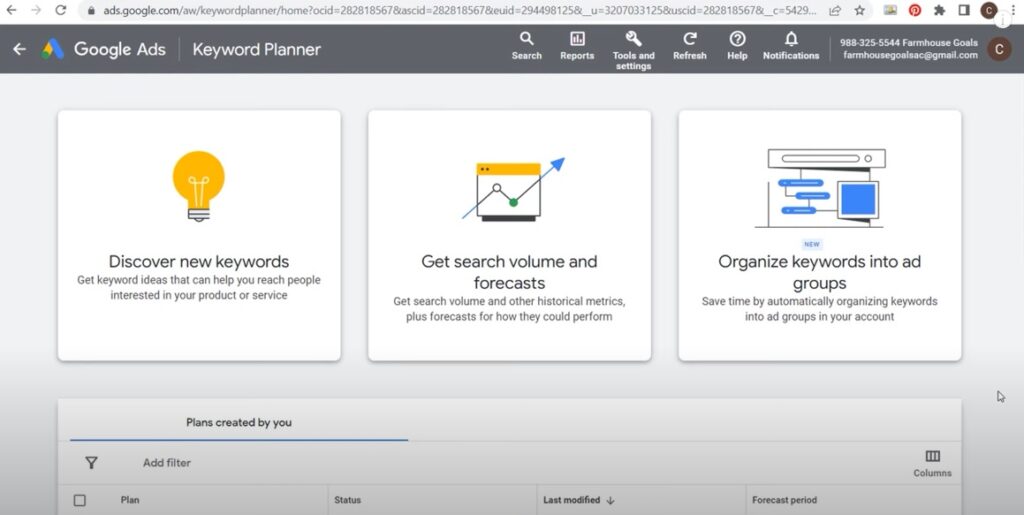
1. Brainstorming: The first step in keyword research is brainstorming. Start by brainstorming a list of topics that are relevant to your business. Then, use a keyword research tool to find related keywords for each topic. Some popular keyword research tools include Google Keyword Planner, Ahrefs, SEMrush, and Moz.

2. Analyzing Competitors: Once you have a list of keywords, it’s important to analyze your competitors. Identify your top competitors and analyze their websites to see what keywords they are targeting. You can use tools like Ahrefs and SEMrush to analyze your competitors’ keywords and backlinks.

3. Identifying Search Intent: Search intent is the reason behind a user’s search query. There are four main types of search intent: informational, navigational, transactional, and commercial investigation. It’s important to identify the search intent behind each keyword you are targeting, so that you can create content that meets the needs of the user.

4. Analyzing Search Volume and Competition: Once you have identified the keywords and their search intent, the next step is to analyze their search volume and competition. You can use keyword research tools like Google Keyword Planner, Ahrefs, SEMrush, and Moz to analyze the search volume and competition of each keyword.

5. Prioritizing Keywords: Finally, prioritize your keywords based on their search volume, competition, and relevance to your business. Focus on the keywords with high search volume and low competition, as they are easier to rank for and can drive more traffic to your website.

Tips for Effective Keyword Research

1. Focus on Long-Tail Keywords: Long-tail keywords are more specific and have less competition than broad keywords. They can also be more valuable in driving targeted traffic to your website.

2. Use Keyword Research Tools: Keyword research tools can help you identify the right keywords to target in your content. Some popular keyword research tools include Google Keyword Planner, Ahrefs, SEMrush, and Moz.

3. Analyze Your Competitors: Analyzing your competitors can help you identify the keywords they are targeting and the content they are creating. This can give you ideas for new keywords to target and help you create content that is more competitive.

4. Keep Your Content Relevant: It’s important to keep your content relevant to the keywords you are targeting. Ensure that your content meets the needs of the user and provides value to them.

5. Monitor Your Keyword Performance: Once you have identified your keywords, it’s important to monitor their performance over time. Use tools like Google Analytics and Google Search Console to track your keyword rankings and identify areas for improvement.

Keyword research is a critical aspect of SEO. By identifying the right keywords to target in your content, you can improve your website’s visibility in search engine results pages (SERPs), attract more traffic, and ultimately, drive more conversions. Follow the process outlined in this guide and use the tips provided to conduct effective keyword research and boost your SEO.

The Top 5 SEO Tools Every Marketer Should Know About

Photo by Ivan Samkov

Search engine optimization (SEO) is a critical aspect of digital marketing, and with the growing competition online, it’s more important than ever to stay ahead of the game. SEO tools can help marketers analyze their website’s performance, identify areas for improvement, and track their progress over time. In this article, we’ll explore the top 5 SEO tools every marketer should know about.

1. Google Analytics

Google Analytics is a free web analytics tool offered by Google that helps marketers track their website traffic and user behavior. With Google Analytics, you can analyze your website’s traffic sources, user demographics, behavior flow, and more. This information can help you identify which pages are performing well and which ones need improvement. You can also use Google Analytics to track your website’s conversion rate and set up goals to track specific user actions.

One of the most useful features of Google Analytics is its integration with Google Search Console, which allows you to track your website’s search engine performance and identify potential issues. With these insights, you can optimize your website for better search engine rankings and improved user experience.

2. SEMrush

SEMrush is an all-in-one SEO tool that provides a range of features, including keyword research, site audits, backlink analysis, and more. With SEMrush, you can analyze your website’s organic search traffic and identify opportunities for improvement. You can also track your website’s keyword rankings and compare them to your competitors.

One of the standout features of SEMrush is its competitor analysis tool, which allows you to see how your website stacks up against your competitors in terms of search engine rankings, organic traffic, and backlinks. With this information, you can identify areas where you can improve and develop a more effective SEO strategy.

3. Ahrefs

Ahrefs is a popular SEO tool that focuses on backlink analysis and competitor research. With Ahrefs, you can analyze your website’s backlink profile and identify opportunities for link building. You can also track your website’s keyword rankings and monitor your competitors’ backlink profiles.

One of the standout features of Ahrefs is its content analysis tool, which allows you to analyze the performance of your website’s content and identify opportunities for improvement. With this information, you can optimize your content for better search engine rankings and improved user engagement.

4. Moz

Moz is a suite of SEO tools that includes features like keyword research, site audits, and link building. With Moz, you can analyze your website’s performance and identify areas for improvement. You can also track your website’s keyword rankings and monitor your competitors’ rankings.

One of the standout features of Moz is its MozBar, which is a browser extension that provides real-time SEO metrics as you browse the web. With MozBar, you can see metrics like domain authority, page authority, and backlinks for any website you visit. This can help you identify high-quality websites for link building and guest posting opportunities.

5. Google Search Console

Google Search Console is a free tool offered by Google that helps website owners monitor and optimize their website’s performance in Google search results. With Google Search Console, you can monitor your website’s search engine performance, track your website’s search rankings, and identify potential issues like crawl errors and security issues.

One of the standout features of Google Search Console is its ability to help you optimize your website for Google’s mobile-first indexing. With this feature, you can ensure that your website is optimized for mobile devices and provides a positive user experience on all devices.

These five SEO tools are essential for any marketer who wants to improve their website’s performance in search engine rankings. Each tool offers a unique set of features that can help you analyze your website’s performance, identify areas for improvement, and track your progress over time. With these tools, you can develop a more effective SEO strategy and stay ahead of the competition. However, it’s important to remember that SEO is a long-term strategy, and it takes time and effort to see results. So, be patient and consistent with your SEO efforts, and use these tools to make informed decisions that will help you achieve your goals.